PRP Platelet-Rich Plasma


PRP Treatment London – Face, Hair, Skin & Body Rejuvenation
Platelet-Rich Plasma Therapy at London Body Clinic
Your Body’s Own Platelets. A Personalised Approach to Skin and Hair Rejuvenation.
Have you noticed your hair becoming thinner, your skin losing its firmness or old acne scars becoming more noticeable?
Perhaps you’re concerned about dark circles beneath your eyes, stretch marks following pregnancy or weight loss, or changes in your skin’s texture as you get older.
At London Body Clinic, we understand that different concerns require different treatment approaches.
PRP (Platelet-Rich Plasma) therapy is a treatment that uses a concentrated preparation of platelets obtained from your own blood.
Platelets contain growth factors and signalling proteins involved in the body’s natural healing processes.
PRP has been investigated for a wide range of cosmetic and medical applications, including hair restoration, skin rejuvenation, certain scars and tissue repair.
Rather than focusing exclusively on facial rejuvenation, PRP may be considered for selected concerns involving the face, scalp and body.
At London Body Clinic, we offer a personalised approach, assessing your individual concerns before recommending whether PRP or another treatment may be suitable.
Contact London Body Clinic to arrange a PRP consultation and explore your treatment options.
What Is PRP Therapy?
PRP stands for Platelet-Rich Plasma.
It is an autologous treatment, meaning the preparation is obtained from your own blood.
Your blood contains several components, including:
Red blood cells.
White blood cells.
Plasma.
Platelets.
Platelets play an important role in blood clotting and tissue repair.
They also contain growth factors involved in cellular communication and healing.
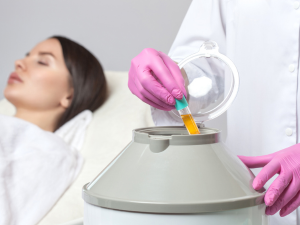
During PRP preparation, a small sample of your blood is collected and processed using a centrifuge.
This separates the blood components and allows a platelet-enriched plasma preparation to be collected.
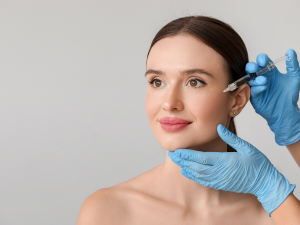
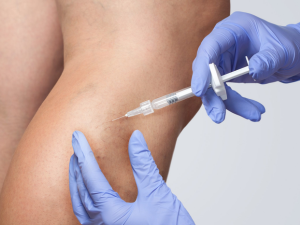
The PRP is then administered to the selected treatment area using an appropriate technique, which may include injections.
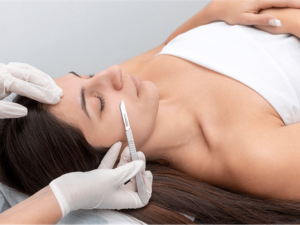
Some protocols combine PRP with professional microneedling, although the evidence and risks differ between techniques.
Is PRP a Natural Treatment?
PRP is often described as a natural or regenerative treatment because it uses material obtained from your own blood.
However, this does not mean it is completely risk-free.
The treatment involves blood collection, processing and administration, all of which require appropriate infection-control procedures and professional training.
Although PRP does not rely on a manufactured dermal filler, the preparation and administration process still carries potential risks.
What Can PRP Be Used For?
PRP has been studied for a range of applications.
At London Body Clinic, consultations may explore its suitability for concerns involving:
Facial skin rejuvenation.
Fine lines and wrinkles.
Skin texture and quality.
Under-eye skin concerns.
Certain dark circles.
Acne scars.
Selected surgical or injury scars.
Stretch marks.
Hair thinning and hair restoration.
Certain scalp concerns.
Neck and décolletage skin quality.
Hand rejuvenation.
Selected body skin concerns.
Cellulite-related skin texture, although evidence is particularly limited.
Not all these applications have the same level of clinical evidence. PRP is not guaranteed to improve every condition, and some uses remain experimental or insufficiently studied.
A consultation helps determine whether the treatment is appropriate for your specific concern.
PRP for Facial Rejuvenation
Restore a Fresher, Healthier-Looking Complexion
As we age, our skin undergoes changes in collagen, elasticity, hydration and texture.
These changes may become more noticeable around the eyes, mouth, cheeks and jawline.
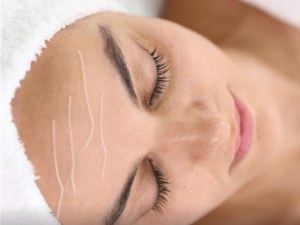
PRP has been investigated as a treatment for improving certain aspects of facial skin quality.
Its proposed effects relate to growth factors and signalling processes involved in tissue repair and remodelling.
Some studies suggest potential improvements in skin texture and appearance, but the quality of evidence varies.
PRP for Fine Lines and Wrinkles
PRP may help improve the appearance of selected superficial fine lines.
However, it is not a replacement for treatments designed to address deep expression wrinkles or significant facial volume loss.
PRP for Dull, Tired-Looking Skin
Some clients seek PRP because their skin appears less radiant or uneven.
PRP may offer modest improvements in certain skin-quality measures, although a visible glow or dramatic rejuvenation cannot be guaranteed.
PRP for Skin Firmness
PRP has been studied for its potential role in skin remodelling.
However, evidence for significant skin tightening remains limited.
It should not be promoted as a reliable alternative to surgical lifting or treatments specifically intended for substantial skin laxity.
PRP for Mature Skin
PRP may appeal to clients who prefer treatments using their own biological material rather than products designed to add facial volume.
It may be considered for selected age-related skin-quality concerns, subject to suitability.
PRP for Under-Eye Rejuvenation and Dark Circles
Can PRP Help Tired-Looking Eyes?
The under-eye area is often one of the first places where changes in skin quality become noticeable.
You may experience:
Fine lines.
Crepey-looking skin.
Dark circles.
Thin-looking skin.
Changes in skin texture.
A tired appearance.
PRP is sometimes used for selected under-eye skin concerns.
However, the under-eye area is anatomically delicate, and treatment requires careful assessment.
PRP for Dark Under-Eye Circles
Dark circles can develop for several reasons.
These include:
Pigmentation.
Visible blood vessels.
Thin skin.
Tear-trough hollows.
Facial anatomy.
Genetics.
Allergies or inflammation.
PRP may be considered for selected skin-quality concerns, but it cannot reliably correct every cause of dark circles.
For example, darkness caused by deep tear-trough hollows may not respond significantly to PRP.
PRP for Crepey Under-Eye Skin
PRP has been investigated for improving skin quality in delicate areas.
However, results are variable, and improvements in crepiness cannot be guaranteed.
PRP for Under-Eye Bags
True under-eye bags may be caused by protruding fat pads, swelling or anatomical changes.
PRP does not remove protruding fat pads and is not an established treatment for significant under-eye bags.
An assessment is important to distinguish bags, hollows, pigmentation and skin-quality concerns.
PRP for Hair Restoration and Thinning Hair
Support Hair Restoration with Platelet-Rich Plasma Therapy
Have you noticed your ponytail becoming thinner?
Perhaps your parting looks wider than it used to, you’re experiencing increased shedding or your hair doesn’t feel as thick as before.
Hair thinning can affect both men and women and may become more noticeable with age.
PRP is one of the better-studied aesthetic applications of platelet-rich plasma.
It has been investigated for certain types of hair loss, particularly androgenetic alopecia, also known as male or female pattern hair loss.
Some clinical studies suggest PRP may improve hair density or thickness in selected patients.
However, study methods vary and results are not guaranteed.
How Does PRP Work for Hair Loss?
PRP is introduced into selected areas of the scalp.
The proposed mechanism involves platelet-derived growth factors influencing processes associated with hair follicles and the hair-growth cycle.
However, PRP does not create new hair follicles.
Its effectiveness depends on the type and stage of hair loss.
PRP for Female Hair Thinning
Female pattern hair loss may cause:
A widening parting.
Reduced density across the crown.
Thinner-looking hair.
Gradual changes in overall volume.
PRP may be considered for selected women with a confirmed diagnosis.
However, hair thinning can also result from thyroid disorders, iron deficiency, medication, illness and other causes.
These should be investigated where appropriate.
PRP for Menopausal Hair Changes
During perimenopause and menopause, some women experience changes in hair density and texture.
Hormonal changes may contribute, but they are not always the only cause.
PRP may be considered where the pattern of hair loss is suitable.
It does not correct the underlying hormonal changes.
PRP for Male Pattern Hair Loss
PRP has been studied for male androgenetic alopecia.
Some patients may experience improvements in hair density, although results vary.
Established medical treatments may also be appropriate and should be discussed with a qualified healthcare professional.
PRP for Hair Shedding
Not every type of shedding responds to PRP.
Temporary shedding after illness, stress or nutritional deficiency may require a different approach.
Identifying the cause is essential.
PRP for Alopecia Areata
PRP has been investigated for alopecia areata, but the evidence is limited and it is not a standard first-line treatment.
Alopecia areata should be assessed and managed appropriately by a healthcare professional.
Can PRP Regrow Hair on a Completely Bald Area?
PRP is unlikely to restore hair in areas where viable follicles are no longer present.
It should not be advertised as a guaranteed treatment for complete baldness or scarring alopecia.
PRP for Acne Scars
Improve the Appearance of Certain Acne Scars
Acne scars can remain long after active breakouts have resolved.
They may affect skin texture and become more noticeable under certain lighting.
PRP has been investigated for improving the appearance of some acne scars, particularly when combined with treatments such as microneedling.
However, the evidence for PRP alone is less consistent.
What Types of Acne Scars May Benefit?
Rolling Scars
These create broad depressions and uneven-looking skin.
Some treatment protocols combining PRP with skin-remodelling procedures have shown encouraging results.
Boxcar Scars
These have more defined edges and vary in depth.
Selected scars may respond to combined treatment approaches.
Ice-Pick Scars
These are narrow, deep scars.
They are generally more difficult to treat and may require other targeted procedures.
Can PRP Remove Acne Scars Completely?
No.
PRP cannot guarantee complete scar removal.
Improvement depends on scar type, severity and the treatment technique.
PRP for Surgical Scars and Injury Scars
PRP has been investigated in wound healing and scar management.
Some research suggests it may influence tissue-repair processes.
However, evidence for improving established surgical or injury scars is inconsistent.
PRP may be considered in selected circumstances, but it is not suitable for every scar.
Can PRP Help Old Scars?
The response of established scars depends on factors including:
Scar age.
Scar depth.
Scar type.
Skin condition.
Previous treatments.
PRP should not be expected to erase old scars.
Can PRP Treat Keloid Scars?
PRP is not an established standalone treatment for keloid scars.
Keloids require careful assessment because skin trauma can worsen abnormal scarring.
PRP for Stretch Marks
Stretch Mark Rejuvenation After Pregnancy, Weight Changes and Growth
Stretch marks, also known as striae, develop when changes in the skin’s supporting structures produce visible lines.
They commonly occur on the:
Abdomen.
Hips.
Thighs.
Buttocks.
Breasts.
Upper arms.
Stretch marks may develop during pregnancy, puberty, weight changes or other periods of rapid skin stretching.
Can PRP Improve Stretch Marks?
PRP has been investigated for stretch mark treatment, particularly in combination with other skin-remodelling procedures.
Some small studies suggest potential improvements in appearance.
However, the evidence remains limited, and PRP is not an established method of completely removing stretch marks.
PRP for Red Stretch Marks
Newer stretch marks often appear pink, red or purple.
Their appearance may change naturally over time.
Whether PRP provides additional benefit depends on the treatment approach and individual circumstances.
PRP for White Stretch Marks
Older stretch marks may appear white or silvery.
These are generally more established and can be difficult to improve.
PRP cannot guarantee restoration of normal skin texture or colour.
PRP for Pregnancy Stretch Marks
PRP may be considered for selected established stretch marks after pregnancy, following an appropriate consultation.
Elective PRP procedures are generally postponed during pregnancy.
Suitability during breastfeeding requires individual assessment.
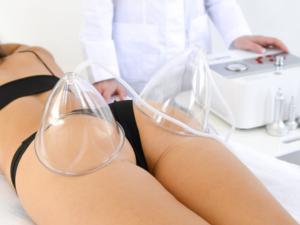
PRP for Cellulite
Can PRP Improve Dimpled Skin?
Cellulite is extremely common and can affect people of different ages, body shapes and sizes.
It develops through interactions between fat, connective tissue and the skin.
The characteristic dimpling often appears on the thighs and buttocks.
How Might PRP Help Cellulite?
PRP has been proposed as a treatment for improving skin quality and tissue remodelling.
However, there is currently insufficient high-quality clinical evidence to establish PRP as an effective cellulite treatment.
PRP does not reliably release the fibrous bands responsible for many cellulite depressions.
It should not be presented as a proven treatment for eliminating cellulite.
PRP vs CelluErase for Cellulite
CelluErase is a subcision-based procedure intended to release selected fibrous bands contributing to cellulite dimples.
PRP is a blood-derived preparation investigated for tissue repair and skin-quality applications.
These treatments work differently and are not interchangeable.
A consultation can help identify the type of cellulite and discuss the available options, their risks and limitations.
PRP for Body Skin Rejuvenation
PRP for the Neck
The neck may develop fine lines, changes in texture and reduced elasticity.
PRP has been explored for skin-quality improvement, although evidence for substantial tightening is limited.
PRP for the Décolletage
The chest area can develop visible ageing changes associated with sun exposure and changes in skin structure.
PRP may be considered for selected skin-quality concerns, subject to product preparation, technique and suitability.
PRP for the Hands
PRP has been investigated for skin rejuvenation in several body areas.
However, evidence for hand rejuvenation is limited.
It cannot reliably replace lost hand volume.
PRP for the Abdomen
Some clients enquire about PRP for abdominal skin changes following pregnancy or weight loss.
PRP is not an established treatment for significant loose abdominal skin.
Its potential role in improving stretch marks or superficial texture remains under investigation.
PRP for the Thighs and Buttocks
PRP has been explored for selected body skin concerns.
However, it cannot reliably lift the buttocks, remove cellulite or significantly tighten loose skin.
Treatment recommendations should reflect the actual concern rather than promising body reshaping.
PRP for Skin Texture and Complexion Concerns
Can PRP Improve Enlarged Pores?
Some skin-rejuvenation studies have investigated PRP for changes in skin texture.
However, PRP cannot permanently close pores.
Can PRP Improve Pigmentation?
PRP has been investigated for certain pigmentation conditions, including melasma, but evidence remains limited.
It is not an established treatment for all types of hyperpigmentation.
Some pigmentation concerns can worsen following skin injury.
Can PRP Help Rosacea?
PRP has been explored in limited research involving inflammatory skin conditions.
However, it is not an established first-line treatment for rosacea.
Active rosacea should be appropriately assessed and managed before considering cosmetic procedures.
Can PRP Help Active Acne?
PRP is not a standard treatment for active acne.
Active inflammatory lesions should be managed before undergoing procedures that may aggravate the skin.
PRP vs Other Aesthetic Treatments
PRP vs Polynucleotides
PRP uses a preparation obtained from your own blood.
Polynucleotides are manufactured injectable products containing purified nucleotide-based materials.
Both are marketed for skin rejuvenation, but their compositions, mechanisms and evidence bases differ.
Neither is automatically better for every concern.
PRP vs Skin Boosters
Skin boosters often contain hyaluronic acid and are commonly used for hydration and skin quality.
PRP is a blood-derived preparation investigated for tissue remodelling and other applications.
The most appropriate option depends on your treatment goals.
PRP vs Microneedling
Microneedling creates controlled micro-injuries to stimulate skin remodelling.
PRP uses a concentrated platelet preparation obtained from blood.
Some protocols combine the two, particularly for selected acne scars.
However, combining treatments does not guarantee better results and may increase procedure-related risks.
PRP vs Dermal Fillers
Dermal fillers are commonly used to restore volume and improve facial contours.
PRP does not provide the same predictable structural volume replacement.
It should not be promoted as an equivalent treatment for significant facial hollows.
PRP vs Hair Booster Injections
Hair boosters use manufactured formulations with varying ingredients.
PRP is prepared from the client’s own blood.
The clinical evidence differs between treatments and products.
For hair thinning, identifying the underlying diagnosis is more important than choosing a treatment based on popularity.
What Happens During a PRP Consultation?
At London Body Clinic, every treatment begins with an assessment.
We’ll discuss:
Your main concerns.
Your desired results.
Your medical history.
Current medication.
Allergies.
Previous aesthetic treatments.
Relevant blood or platelet disorders.
Skin or scalp conditions.
Previous scarring or healing problems.
Potential risks and limitations.
Suitable treatment alternatives.
For hair loss, medical investigation may be recommended before treatment.
PRP is not appropriate for everyone.
How Does PRP Treatment Work?
Step 1: Blood Collection
A small amount of blood is taken from your arm using a sterile collection system.
The quantity depends on the preparation method and treatment area.
Step 2: Centrifuge Processing
The blood sample is placed into a centrifuge.
This separates the blood components according to their physical properties.
A platelet-enriched plasma preparation is then collected.
Different PRP systems produce preparations with different platelet and white blood cell concentrations.
Step 3: Treatment Preparation
The selected treatment area is cleaned.
A topical anaesthetic may be used where appropriate.
Step 4: PRP Administration
The PRP is administered using a technique suitable for the intended treatment.
This may involve injections into selected areas.
Some skin-rejuvenation protocols use PRP alongside microneedling, but the procedure must be assessed individually.
Step 5: Aftercare
You may experience temporary redness, tenderness, swelling or bruising.
Your practitioner will explain the expected recovery and provide specific aftercare instructions.
What Results Can I Expect from PRP?
PRP is not an instant transformation treatment.
Results depend on:
The condition being treated.
Your medical history.
The preparation method.
The treatment technique.
The number of sessions.
Your individual biological response.
Facial Skin Rejuvenation
Some improvements may become noticeable over several weeks or months.
However, there is no guaranteed timeline.
Hair Restoration
Where PRP is effective, changes in hair density or thickness generally take several months to assess.
Acne Scars
Improvements, where achieved, may develop gradually following a treatment course.
Stretch Marks and Body Concerns
Evidence is limited, and significant improvement cannot be promised.
How Many PRP Treatments Will I Need?
Treatment plans vary according to the concern and protocol.
For some hair-loss and skin-rejuvenation applications, studies have used approximately three or four initial sessions spaced several weeks apart.
However, there is no single universally accepted schedule for all PRP treatments.
At London Body Clinic, the recommended course should be based on your individual assessment and the evidence available for your concern.
How Long Do PRP Results Last?
PRP results vary considerably.
Some studies report improvements lasting several months, while others show more limited or inconsistent benefits.
There is no reliable basis for guaranteeing that every PRP treatment will last 12–18 months.
Hair loss, skin ageing and other underlying processes may continue after treatment.
Maintenance, where appropriate, depends on the condition and individual response.
Who May Be Suitable for PRP?
PRP may be considered for selected adults who:
Have certain forms of hair thinning.
Want to explore facial skin-quality treatments.
Have selected acne scars.
Are considering treatment for certain established scars.
Wish to discuss emerging treatments for stretch marks or other body concerns.
Suitability must be assessed individually.
Who Should Not Have PRP?
PRP may be contraindicated or require specialist assessment in people with:
Significant platelet disorders.
Severe thrombocytopenia.
Certain blood disorders.
Active systemic infection.
Infection at the treatment site.
Certain cancers or relevant medical conditions.
Uncontrolled medical conditions.
Certain bleeding or clotting disorders.
Relevant medication affecting platelet function or bleeding.
Severe anaemia or other conditions affecting blood collection.
Pregnancy or breastfeeding, where elective treatment is generally postponed.
The exact contraindications depend on the treatment protocol and individual circumstances.
What Are the Risks of PRP?
Although PRP uses your own blood, complications are still possible.
Potential risks include:
Pain or discomfort.
Bruising.
Swelling.
Redness.
Tenderness.
Bleeding.
Infection.
Dizziness or fainting during blood collection.
Temporary irritation.
Inflammatory reactions.
Injury to nearby structures.
Unsatisfactory results.
Improper blood handling or contamination can introduce additional risks.
Serious complications are uncommon but possible, particularly with invasive administration.
The precise risks depend on the treatment area and technique.
PRP Treatment Overview
TREATMENT TYPE: Autologous platelet-rich plasma therapy.
TREATMENT AREAS: Face, under-eye region, scalp and selected body areas, depending on suitability.
PROCEDURE TIME: Commonly approximately 45–60 minutes, although some treatments take longer.
DOWNTIME: Often a few days of redness, swelling or bruising, but recovery varies.
NUMBER OF SESSIONS: Individualised; some protocols involve an initial course.
RESULTS: Gradual and variable, depending on the condition.
DURATION: Variable; no guaranteed period of benefit.
ANAESTHETIC: Topical anaesthetic may be used where appropriate.
CONSULTATION: Required before treatment.
PRP Pre-Treatment Advice
Before your appointment:
Disclose all relevant medical conditions.
Inform your practitioner about medication and supplements.
Report any history of bleeding or platelet disorders.
Mention previous reactions to blood collection.
Follow any hydration guidance provided.
Avoid treatment if you have an active infection.
Follow the preparation instructions specific to your procedure.
Do not stop prescribed aspirin, anticoagulants, anti-inflammatory medication or any other prescribed treatment without advice from your prescribing clinician.
Medication decisions should be made according to your medical circumstances, not a blanket cosmetic-treatment rule.
PRP Aftercare
Your aftercare instructions will depend on whether PRP has been administered to the face, scalp or body.
General advice may include:
Keeping the treatment area clean.
Avoiding unnecessary touching.
Temporarily avoiding strenuous exercise.
Avoiding excessive heat during early recovery.
Using appropriate skincare or scalp-care products.
Protecting treated skin from unnecessary sun exposure.
Following instructions about washing and makeup.
Monitoring for unexpected reactions.
Seek prompt medical advice if you experience severe pain, worsening swelling, spreading redness, fever, pus or other concerning symptoms.
Frequently Asked Questions About PRP Treatment
General PRP Questions
What is PRP treatment?
PRP stands for platelet-rich plasma.
It is a treatment that uses a concentrated preparation of platelets obtained from your own blood.
What does PRP stand for?
PRP stands for Platelet-Rich Plasma.
How does PRP work?
PRP contains platelets and growth factors involved in biological processes associated with tissue repair.
Its effects vary depending on the condition and treatment method.
Is PRP a natural treatment?
PRP uses material obtained from your own blood.
However, it is still a medical or aesthetic procedure with potential risks.
Is PRP the same as a vampire facial?
The term vampire facial is commonly used for certain facial treatments combining blood-derived preparations with skin procedures.
However, techniques vary, and the term does not describe one standardised treatment.
Is PRP safe?
PRP may be appropriate for selected clients when properly prepared and administered.
However, risks include infection, bruising, pain and other procedure-related complications.
Is PRP painful?
You may experience discomfort during blood collection and treatment.
A topical anaesthetic may be used where appropriate.
How long does PRP take?
Many appointments take approximately 45–60 minutes, depending on the treatment area and technique.
How many PRP sessions do I need?
The number depends on the condition and treatment protocol.
Some courses involve three or four sessions, but this is not appropriate for every concern.
How long does PRP take to work?
Results, where achieved, generally develop over weeks or months rather than immediately.
How long do PRP results last?
Duration varies considerably.
No fixed result duration can be guaranteed.
Is PRP better than skin boosters?
Neither is automatically better.
They use different preparations and may be considered for different concerns.
Is PRP better than polynucleotides?
There is insufficient evidence to conclude that one is universally superior.
Suitability depends on the specific concern and treatment.
PRP for Facial Rejuvenation FAQs
Can PRP make your face look younger?
PRP may improve certain aspects of skin quality in selected patients.
However, it cannot reverse all visible signs of ageing.
Can PRP tighten sagging skin?
Evidence for significant skin tightening is limited.
PRP is not a reliable treatment for substantial skin laxity.
Can PRP improve fine lines?
Some studies suggest potential improvement in superficial fine lines.
Results vary.
Can PRP remove deep wrinkles?
PRP is unlikely to correct deep wrinkles reliably.
Can PRP restore facial volume?
PRP does not provide the same predictable volume replacement as dermal fillers.
Can PRP improve skin texture?
Some studies suggest potential improvements in skin texture.
However, the evidence is variable.
Can PRP help enlarged pores?
PRP may influence aspects of skin texture, but it cannot permanently close pores.
Can PRP improve dull skin?
Some clients may notice improvements in skin appearance, although results are not guaranteed.
Is PRP suitable for women over 40?
PRP may be considered for selected concerns in women over 40.
Suitability depends on the individual’s skin and medical history.
Is PRP suitable during menopause?
PRP may be considered for selected skin or hair concerns, but it does not treat hormonal changes associated with menopause.
PRP for Under-Eye Concerns FAQs
Can PRP help dark circles?
PRP may be considered for selected under-eye skin-quality concerns.
However, it cannot reliably treat every cause of dark circles.
Can PRP help hollow under-eyes?
PRP does not reliably restore significant volume loss.
Can PRP improve crepey under-eye skin?
Some studies suggest possible skin-quality improvements, but results are variable.
Can PRP remove under-eye bags?
No.
PRP does not remove protruding under-eye fat pads.
Is PRP safe under the eyes?
The under-eye area is delicate and requires careful anatomical assessment.
All invasive treatments in this area carry risks.
How many PRP sessions are needed for dark circles?
There is no universally established treatment course.
Suitability and expected outcomes depend on the cause of the darkness.
PRP for Hair Restoration FAQs
Does PRP work for hair loss?
Some studies suggest PRP may improve hair density in selected patients with androgenetic alopecia.
Results vary and are not guaranteed.
Can PRP regrow thinning hair?
Some patients may experience improved hair density or thickness.
However, PRP does not work for every type of hair loss.
Can PRP help female pattern hair loss?
PRP may be considered for selected women with female pattern hair loss.
An appropriate diagnosis is important.
Can PRP help menopause-related hair thinning?
It may be considered for certain hair-loss patterns, but it does not correct hormonal changes.
Can PRP help a widening parting?
A widening parting may indicate female pattern hair loss.
Assessment is needed before deciding whether PRP is appropriate.
Can PRP help male pattern baldness?
PRP has been studied for male androgenetic alopecia.
Some patients may benefit, but results are variable.
Can PRP regrow hair on bald patches?
This depends on the cause of the bald patch and whether viable follicles remain.
PRP cannot guarantee hair regrowth.
Can PRP help alopecia areata?
Evidence is limited.
Alopecia areata requires appropriate medical assessment.
Can PRP help stress-related hair loss?
Stress-related shedding may improve when the underlying cause resolves.
PRP is not an established first-line treatment for this condition.
Can PRP help postpartum hair loss?
Postpartum shedding is often temporary.
Medical assessment may be appropriate if shedding is severe or prolonged.
PRP is not routinely required.
How many PRP treatments are needed for hair loss?
Some studies use an initial course of several treatments.
The appropriate schedule depends on the diagnosis and protocol.
When will I see PRP hair results?
Hair changes generally take several months to assess.
How long does PRP hair restoration last?
Duration varies.
Underlying pattern hair loss may continue, and maintenance may be considered where appropriate.
Is PRP better than hair booster injections?
PRP has more published research for certain hair-loss conditions than many cosmetic scalp booster formulations.
However, treatment choice depends on the diagnosis.
Can PRP replace a hair transplant?
No.
PRP does not replace hair transplantation when significant follicle loss has occurred.
PRP for Scars FAQs
Can PRP improve acne scars?
PRP has been studied for selected acne scars, particularly alongside microneedling.
The evidence for PRP alone is less consistent.
Can PRP remove acne scars completely?
No.
Complete scar removal cannot be guaranteed.
Can PRP help rolling acne scars?
Some combined treatment protocols may improve selected rolling scars.
Tethered scars may require other procedures.
Can PRP help boxcar scars?
Some shallow boxcar scars may improve with appropriate combined treatments.
Can PRP help ice-pick scars?
Deep ice-pick scars are generally difficult to treat and may require targeted procedures.
Can PRP help surgical scars?
PRP has been investigated for scar management, but evidence for established surgical scars remains limited.
Can PRP help old scars?
Possibly in selected circumstances, although improvement cannot be guaranteed.
Can PRP treat keloid scars?
PRP is not an established standalone treatment for keloids.
PRP for Stretch Marks FAQs
Can PRP remove stretch marks?
No.
PRP cannot guarantee complete stretch mark removal.
Can PRP improve stretch marks?
Some small studies suggest potential improvements, particularly with combined treatments.
However, evidence remains limited.
Can PRP help white stretch marks?
PRP has been investigated for established stretch marks, but results are uncertain.
Can PRP help red stretch marks?
Newer stretch marks may change naturally over time.
The additional benefit of PRP is not well established.
Can PRP help pregnancy stretch marks?
PRP may be considered for selected established stretch marks after pregnancy, subject to suitability.
Can PRP help stretch marks on the stomach?
Some research has explored PRP for abdominal stretch marks.
However, improvement cannot be guaranteed.
Can PRP help stretch marks on the thighs?
The same limitations apply.
Evidence is limited and results vary.
Can PRP help stretch marks on the buttocks?
PRP has been investigated for stretch marks in different body areas, but it is not a proven method of removing them.
How many PRP sessions are needed for stretch marks?
There is no universally established evidence-based course.
PRP for Cellulite and Body FAQs
Can PRP treat cellulite?
There is insufficient high-quality evidence to establish PRP as an effective cellulite treatment.
Can PRP remove cellulite permanently?
No.
PRP cannot be relied upon to remove cellulite permanently.
Can PRP help cellulite on the thighs?
Its effectiveness for thigh cellulite has not been established.
Can PRP help cellulite on the buttocks?
There is insufficient evidence to recommend PRP as a proven cellulite treatment.
Is PRP better than CelluErase?
These treatments work differently.
CelluErase targets selected fibrous bands, while PRP is a platelet-based preparation.
Their suitability depends on the concern.
Can PRP tighten loose stomach skin?
PRP is not an established treatment for significant abdominal skin laxity.
Can PRP improve skin after weight loss?
Evidence for meaningful improvement in loose skin following weight loss is limited.
Can PRP improve neck wrinkles?
PRP may be considered for selected skin-quality concerns, but significant improvement cannot be guaranteed.
Can PRP rejuvenate the hands?
PRP has been explored for skin rejuvenation, but evidence for hand treatments is limited.
PRP Safety and Aftercare FAQs
Can PRP cause an allergic reaction?
Because PRP is derived from your own blood, reactions to the plasma itself may be less likely than reactions to some manufactured products.
However, reactions to other materials or substances used during the procedure remain possible.
Can PRP cause infection?
Yes.
Any procedure involving blood collection or injections carries a risk of infection.
Can PRP cause bruising?
Yes.
Bruising is a recognised potential side effect.
Will my face swell after PRP?
Temporary swelling may occur.
Severe or worsening swelling should be assessed.
Can I wear makeup after facial PRP?
Your practitioner will advise based on the treatment technique and skin condition.
Can I wash my hair after scalp PRP?
Follow the aftercare instructions provided for your procedure.
Can I exercise after PRP?
You may be advised to avoid strenuous exercise temporarily.
The recommended interval depends on the treatment.
Can I drink alcohol after PRP?
Your practitioner may recommend temporarily avoiding alcohol around treatment.
Advice should be tailored to the procedure and your medical circumstances.
Can I take ibuprofen before PRP?
Anti-inflammatory medication may influence platelet function, but you should not stop prescribed medication without advice from your prescribing clinician.
Can I take aspirin before PRP?
Do not stop prescribed aspirin without medical advice.
Your practitioner must review medication before treatment.
Can I have PRP while pregnant?
Elective cosmetic PRP is generally postponed during pregnancy.
Can I have PRP while breastfeeding?
Suitability requires individual assessment.
Elective treatment may be postponed because of limited safety evidence.
Who should avoid PRP?
People with certain platelet disorders, blood conditions, active infections or other relevant contraindications may not be suitable.
A medical history review is essential.
Is PRP suitable for darker skin tones?
PRP may be considered for a range of skin tones, but any procedure involving skin injury carries potential risks, including pigmentation changes.
Individual assessment is important.
PRP Pricing and Booking FAQs
How much does PRP cost in London?
PRP pricing depends on the treatment area, procedure and recommended course.
Contact London Body Clinic for current pricing.
Is PRP for the face different from PRP for hair?
Both use platelet-rich plasma, but the treatment goals, administration techniques and supporting evidence differ.
Can I have PRP for more than one area?
Multiple areas may be considered, depending on the treatment plan, preparation system and individual suitability.
Do I need a consultation before PRP?
Yes.
A consultation is important to assess your concerns, medical history, suitability and treatment expectations.
Where can I book PRP in Beckenham or Penge?
You can enquire about PRP treatment at London Body Clinic, serving Beckenham, Penge and surrounding South East London areas.
Visit www.londonbodyclinic.uk for further information.
Discover Whether PRP Is Right for You
Whether you’re concerned about thinning hair, ageing skin, dark under-eye circles, acne scars or changes in your skin following pregnancy or weight loss, understanding your options is the first step.
At London Body Clinic, we believe in individualised treatment plans rather than a one-size-fits-all approach.
PRP may be a suitable option for certain skin and hair concerns, but it is not a universal solution.
We’ll help you understand what the treatment involves, what the evidence suggests and what results you can realistically expect.
Contact London Body Clinic to arrange your PRP consultation and discover the most appropriate treatment options for your face, hair, skin or body.
London Body Clinic – Aesthetics & Beauty