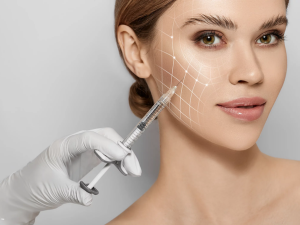
Polynucleotides cellular repair & hydration


Polynucleotide Treatments London – Skin Rejuvenation & Repair at London Body Clinic
Restore, Rejuvenate and Support Healthier-Looking Skin with Polynucleotide Injections
Have you noticed your skin becoming thinner, more crepey or less firm as you get older?
Perhaps the delicate skin beneath your eyes is starting to show fine lines, your complexion looks tired, or your skin no longer has the smoothness and elasticity it once did.
At London Body Clinic, we understand that skin ageing isn’t simply about wrinkles.
As we age, our skin experiences changes in hydration, collagen, elasticity and its natural repair processes. These changes can become particularly noticeable around the eyes, face and neck.
Polynucleotide treatments are an increasingly popular option in aesthetic medicine for people looking to improve skin quality without significantly changing their facial features.
Polynucleotides are injectable formulations containing purified DNA-derived molecules that are being investigated for their potential to support skin repair and improve the appearance of ageing or damaged skin.
At London Body Clinic, our approach is to assess your individual concerns and recommend an appropriate treatment based on your skin condition, goals and medical suitability.
Whether you’re concerned about fine lines, crepey under-eye skin, reduced elasticity or uneven texture, we’ll help you understand whether polynucleotide treatment may be suitable for you.
Book a consultation at London Body Clinic to discover more about polynucleotide skin rejuvenation.
What Are Polynucleotides?
Polynucleotides, often abbreviated to PN, are long-chain molecules made up of nucleotides, the building blocks of DNA and RNA.
In aesthetic medicine, polynucleotide formulations are commonly derived from purified fish DNA, although the exact source and composition vary by product.
These molecules are used in injectable skin rejuvenation products that aim to support tissue quality and improve the appearance of the skin.
Unlike traditional dermal fillers, which are generally used to replace lost volume or enhance facial contours, polynucleotide treatments are primarily intended to improve skin quality.
They are sometimes described as biostimulatory or regenerative skin treatments.
However, although laboratory research and early clinical studies suggest potentially useful biological effects, high-quality evidence for many cosmetic applications remains limited.
Understanding the Key Components
Polynucleotides consist of nucleotide chains containing:
Sugar molecules: Components of the molecular structure.
Phosphate groups: Help form the backbone of the nucleotide chain.
Nitrogenous bases: The molecular units associated with DNA and RNA.
Nucleotide sequences: Chains that form the polynucleotide molecule.
The purification process, molecular characteristics and concentration of polynucleotides differ between products.
This is why not all polynucleotide treatments should be considered identical.
How Do Polynucleotides Work?
Polynucleotides are being studied for their potential effects on skin hydration, cellular signalling and tissue repair.
Their proposed mechanisms include interactions with cells involved in maintaining the skin’s extracellular matrix.
Supporting Fibroblast Activity
Fibroblasts are cells involved in producing collagen and other structural components of the skin.
Laboratory research suggests that some polynucleotide formulations may influence fibroblast activity and processes associated with tissue repair.
However, this does not mean that every treatment will produce a measurable increase in collagen or visible skin tightening.
Supporting Skin Structure
The extracellular matrix helps provide the skin with structure, support and elasticity.
Some research suggests polynucleotides may influence processes associated with extracellular matrix maintenance.
Clinical improvements in firmness and elasticity remain dependent on the product, treatment protocol and individual response.
Improving Skin Hydration
Certain polynucleotide formulations have moisture-binding properties that may contribute to improved skin hydration.
This may help the skin appear smoother and less crepey, particularly where dehydration is contributing to fine lines.
Skin Repair and Regeneration
Polynucleotides have attracted interest because of their potential involvement in tissue-repair processes.
However, claims that they can fully regenerate damaged skin, reverse ageing or reliably heal scars go beyond the evidence currently available.
At London Body Clinic, we believe in explaining both the potential benefits and the limitations of treatment.
Benefits of Polynucleotide Skin Rejuvenation
Polynucleotide injections may offer improvements in certain aspects of skin quality.
Potential benefits include:
Improved skin hydration.
Smoother-looking skin texture.
Reduced appearance of some fine lines.
Improved appearance of crepey skin.
Support for overall skin quality.
Possible improvements in skin elasticity.
A fresher, more rested appearance.
Natural-looking results without substantial facial volumisation.
Results vary, and not every client will experience the same improvements.
Polynucleotides for Fine Lines and Wrinkles
Fine lines develop for several reasons, including changes in collagen, skin elasticity, hydration and repeated facial movement.
Polynucleotide treatments may help improve the appearance of some superficial lines through changes in skin quality.
However, they are unlikely to correct deep wrinkles or expression lines on their own.
Polynucleotides for Crepey Skin
Crepey skin often appears thin, finely wrinkled and less elastic.
It commonly develops around the eyes, neck and other areas as skin structure changes with age.
Polynucleotide injections may be considered for selected cases of crepey skin, although outcomes vary and the evidence is still developing.
Polynucleotides for Dull or Tired-Looking Skin
Changes in skin hydration and texture can make the complexion appear less radiant.
Some clients may notice improvements in skin smoothness and overall appearance following a course of treatment.
However, results are not immediate or guaranteed.
Polynucleotides for Skin Elasticity
Certain polynucleotide formulations are being investigated for their potential to improve the appearance of skin elasticity.
They should not be regarded as a substitute for treatments intended to address significant skin laxity.
Polynucleotide Treatment Areas
The suitability of a treatment area depends on the specific product, its intended use, the anatomy and your individual medical assessment.
Polynucleotides for Under-Eye Rejuvenation
The delicate skin beneath the eyes is one of the areas where early signs of ageing can become particularly noticeable.
Common concerns include:
Fine lines.
Crepey skin.
Thin-looking skin.
Dehydration.
Uneven texture.
A tired appearance.
Polynucleotides are sometimes used in selected under-eye rejuvenation protocols.
However, not all under-eye concerns are caused by skin quality.
Dark circles may be associated with pigmentation, visible blood vessels, facial anatomy or shadows.
Under-eye bags may be caused by fat protrusion, fluid retention or other factors.
Polynucleotides cannot reliably remove true under-eye bags or correct significant tear trough hollows.
A consultation is essential to determine the underlying cause.
Polynucleotides for Facial Rejuvenation
Polynucleotides may be considered for selected facial skin-quality concerns, including:
Fine lines.
Dullness.
Dehydration.
Uneven texture.
Early changes in elasticity.
The aim is generally to improve skin quality rather than create significant volume or alter facial contours.
Polynucleotides for Neck Rejuvenation
The neck is an area where fine lines, crepiness and changes in elasticity may become noticeable with age.
Certain polynucleotide formulations may be considered for skin-quality improvement in this area.
However, they cannot be expected to correct substantial loose skin.
Polynucleotides for Acne Scarring
Polynucleotides are being investigated for their potential role in tissue repair and skin remodelling.
However, evidence for their effectiveness in treating established acne scars is limited.
Deep, pitted or tethered scars often require treatments specifically designed to address scar structure.
Polynucleotides for Scars and Stretch Marks
Polynucleotides have also been explored in tissue-repair applications.
However, their effectiveness for established surgical scars and stretch marks has not been reliably established.
Suitability depends on the type of scar, product and individual circumstances.
Polynucleotides for Hair and Scalp Concerns
Some polynucleotide formulations are marketed or investigated for scalp and hair-related applications.
However, evidence for hair regrowth is still limited, and outcomes cannot be guaranteed.
Hair thinning can have several underlying causes, including hormonal changes, nutritional deficiencies, medical conditions and genetic factors.
An appropriate assessment is important before considering treatment.
What to Expect During Polynucleotide Treatment
Before Your Polynucleotide Treatment
At London Body Clinic, your appointment begins with a consultation and assessment.
We’ll discuss:
Your main skin concerns.
Your treatment goals.
Previous aesthetic procedures.
Medical history.
Allergies and sensitivities.
Current medication.
Skin conditions.
Potential contraindications.
The benefits, limitations and risks of treatment.
Because many polynucleotide products are derived from fish DNA, you must disclose any relevant fish or other allergies.
Your practitioner will confirm the source and ingredients of the particular product being considered.
You may be advised to avoid certain skincare products or activities before treatment.
Do not stop prescribed medication without advice from your prescribing clinician.
During Your Polynucleotide Treatment
The treatment area will be cleansed and prepared.
A topical anaesthetic may be used where appropriate.
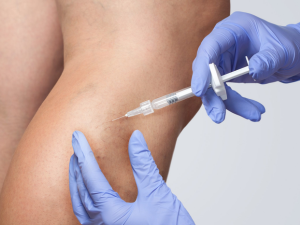
The selected polynucleotide product is then administered using an injection technique suitable for the product and treatment area.
The procedure may involve multiple small injections.
You may experience temporary stinging, pressure or discomfort.
Some clients notice small raised bumps immediately after treatment.
These generally settle, although the recovery period varies.
A typical appointment may take approximately 30–45 minutes.
After Your Polynucleotide Treatment
Following treatment, you may experience:
Redness.
Swelling.
Small injection-site bumps.
Tenderness.
Bruising.
Temporary sensitivity.
These effects usually improve over the following days, although some may persist longer.
Your practitioner will provide product-specific aftercare instructions.
You may be advised to avoid strenuous exercise, excessive heat, certain active skincare products and unnecessary touching of the treatment area for a short period.
Seek prompt medical advice if you experience severe or worsening pain, unusual skin discolouration, visual symptoms, spreading redness, fever or other concerning symptoms.
How Many Polynucleotide Treatments Will I Need?
Polynucleotide treatments are commonly offered as a course rather than a single appointment.
Depending on the product and treatment protocol, a course may involve approximately three sessions, sometimes spaced two to four weeks apart.
However, protocols vary between manufacturers.
Some clients may require a different number of treatments, while others may not be suitable candidates.
Maintenance appointments may be considered depending on the response and treatment goals.
At London Body Clinic, we’ll explain the recommended protocol for the particular product selected.
When Will I See Results from Polynucleotides?
Polynucleotide treatments are generally intended to improve skin quality gradually.
Unlike treatments designed to create immediate facial volume, any changes in skin appearance may develop over several weeks.
Immediately After Treatment
You may experience temporary swelling or small injection-site bumps.
Any immediate plumping effect may be partly related to the injected fluid or swelling rather than a lasting improvement.
After Several Weeks
Some clients may notice improvements in hydration, skin texture or the appearance of superficial fine lines.
However, the degree and timing of improvement vary.
Following a Treatment Course
Further changes in skin quality may become noticeable after completing the recommended sessions.
The durability of results is not firmly established across all products and treatment areas.
Who Is a Good Candidate for Polynucleotide Treatments?
Polynucleotides may be considered for adults concerned about:
Early signs of skin ageing.
Crepey under-eye skin.
Superficial fine lines.
Dehydration.
Uneven skin texture.
Reduced skin elasticity.
General skin-quality concerns.
They may appeal to clients who want subtle improvements without significant facial volumisation.
However, suitability depends on medical history, treatment area, product selection and individual expectations.
Who May Not Be Suitable?
Treatment may be inappropriate or require additional assessment in circumstances including:
Pregnancy.
Breastfeeding.
Active infection in the treatment area.
Known allergy to product ingredients.
Certain inflammatory or autoimmune conditions.
Relevant bleeding disorders.
Other medical conditions or medications affecting treatment safety.
Contraindications vary between products.
A full consultation is essential.
Polynucleotides Compared with Other Skin Treatments
Polynucleotides vs Skin Boosters
Skin boosters are a broad category of injectable treatments primarily intended to improve aspects of skin quality.
Many contain hyaluronic acid, which helps attract and retain moisture.
Polynucleotides contain DNA-derived molecules and are being investigated for additional biological effects associated with tissue repair and skin remodelling.
Both may be considered for skin-quality concerns, but there is insufficient evidence to claim that one is universally better.
Polynucleotides vs Profhilo
Profhilo is a specific hyaluronic acid-based injectable treatment designed for skin hydration and remodelling.
Polynucleotide formulations contain different active ingredients and have different proposed mechanisms.
The most appropriate treatment depends on the skin concern, product suitability and desired outcome.
Polynucleotides vs Dermal Fillers
Dermal fillers are generally used to restore volume, enhance contours or support facial structure.
Polynucleotides are primarily intended to improve skin quality.
They are not a direct replacement for treatments designed to correct significant volume loss.
Polynucleotides vs PRP
PRP stands for Platelet-Rich Plasma.
It is prepared from a sample of the patient’s own blood and contains concentrated platelets.
Polynucleotide products are manufactured formulations containing purified DNA-derived molecules.
The treatments differ in preparation, composition and proposed mechanisms.
There is insufficient comparative evidence to conclude that one consistently produces better skin rejuvenation results.
Polynucleotides vs Microneedling
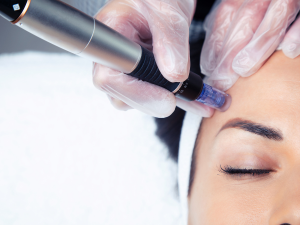
Microneedling creates controlled micro-injuries in the skin to stimulate a wound-healing response.
Polynucleotide injections introduce a selected formulation into the treatment area.
The procedures have different mechanisms, risks and treatment protocols.
The best choice depends on your skin concerns.
Treatment Overview
PROCEDURE TYPE: Injectable skin-quality treatment.
PROCEDURE TIME: Approximately 30–45 minutes.
DOWNTIME: Usually limited, although swelling, bruising and injection-site bumps may occur.
NUMBER OF SESSIONS: Often a course of approximately three treatments, depending on the product.
TREATMENT INTERVALS: Commonly two to four weeks, according to the manufacturer’s protocol.
RESULTS: Gradual and variable improvements in aspects of skin quality.
DURATION OF RESULTS: Varies; reliable long-term outcomes have not been established for every formulation.
MAINTENANCE: May be recommended according to individual response and treatment goals.
Pre & Post Care
At London Body Clinic, we believe preparation, informed consent and appropriate aftercare are essential.
Because polynucleotide formulations vary, your practitioner will provide guidance specific to the product and treatment area.
Please disclose all relevant medical conditions, medications and allergies before your appointment.
Frequently Asked Questions About Polynucleotide Treatments
What are polynucleotide injections?
Polynucleotide injections are aesthetic treatments containing purified DNA-derived molecules.
They are used in selected skin rejuvenation procedures and are being investigated for their potential to improve skin quality, hydration and texture.
What do polynucleotides do for your skin?
Polynucleotides may help improve certain aspects of skin quality.
Their proposed effects include supporting hydration and biological processes associated with tissue maintenance.
However, clinical outcomes vary, and evidence for many cosmetic claims remains limited.
How do polynucleotides work?
Polynucleotides are thought to interact with biological pathways involved in tissue repair and skin maintenance.
Laboratory studies suggest potential effects on fibroblasts and extracellular matrix processes.
The clinical significance of these effects is still being investigated.
Are polynucleotides made from salmon DNA?
Many aesthetic polynucleotide products are derived from purified fish DNA, including salmon or trout sources.
However, the exact source varies by manufacturer.
Your practitioner should explain the ingredients of the product being used.
Are polynucleotides safe?
Polynucleotide injections may be suitable for appropriately selected patients when administered using an appropriate product and technique.
However, no injectable treatment is risk-free.
Possible complications include infection, allergic reactions, inflammatory nodules and injection-related vascular injury.
Long-term safety evidence varies between products.
Do polynucleotides hurt?
You may experience mild to moderate discomfort during injections.
Some areas, particularly around the eyes, can be more sensitive.
A topical anaesthetic may be used where appropriate.
How long does a polynucleotide treatment take?
Most appointments take approximately 30–45 minutes, depending on the treatment area and procedure.
How many polynucleotide sessions will I need?
Some treatment protocols involve approximately three sessions, often spaced several weeks apart.
However, the appropriate course depends on the specific product, treatment area and individual response.
When do polynucleotides start working?
Changes in skin quality may develop gradually over several weeks.
The timing and extent of improvement vary between individuals.
Will I see results after one polynucleotide treatment?
Some clients may notice changes after one session.
However, many protocols involve a course of treatments, and improvements cannot be guaranteed.
How long do polynucleotide results last?
Results vary depending on the product, treatment area and individual response.
Some manufacturers describe effects lasting several months, but strong long-term evidence is limited.
Maintenance treatments may be considered.
Are polynucleotides permanent?
No.
Polynucleotide treatments should not be considered permanent.
Skin ageing continues naturally, and any improvements may diminish over time.
Do polynucleotides stimulate collagen?
Laboratory studies suggest that certain polynucleotide formulations may influence fibroblast activity and processes associated with collagen production.
However, the extent of clinically meaningful collagen improvement in humans is not fully established.
Can polynucleotides tighten sagging skin?
Polynucleotides may improve the appearance of skin quality in selected patients.
However, they are not designed to provide significant lifting or correct substantial skin laxity.
Are polynucleotides good for wrinkles?
They may help improve the appearance of some superficial fine lines.
Deep wrinkles and expression lines are unlikely to respond significantly to polynucleotides alone.
Are polynucleotides good for under-eye wrinkles?
Polynucleotides are sometimes considered for selected cases of fine lines and crepey under-eye skin.
However, results vary, and treatment requires careful assessment because the under-eye area is delicate.
Can polynucleotides remove under-eye bags?
They cannot reliably remove true under-eye bags caused by protruding fat or significant fluid retention.
A consultation is needed to identify the cause of the concern.
Can polynucleotides help dark circles?
Some under-eye darkness may be associated with thin skin or changes in skin quality.
However, dark circles can also be caused by pigmentation, blood vessels, anatomy and shadows.
Polynucleotides are not a guaranteed solution for dark circles.
Can polynucleotides improve crepey skin?
They may improve the appearance of some crepey skin by supporting hydration and overall skin quality.
However, the degree of improvement varies, and significant laxity may require another approach.
Can polynucleotides help acne scars?
Evidence for treating established acne scars with polynucleotides is limited.
Deep or pitted scars generally require more targeted treatments.
Can polynucleotides help stretch marks?
Polynucleotides have been investigated in tissue-repair applications.
However, there is insufficient evidence to establish that they reliably reduce stretch marks.
Can polynucleotides help surgical scars?
Their role in scar management remains under investigation.
The suitability of treatment depends on the scar type, maturity and individual circumstances.
Can polynucleotides improve skin texture?
Some studies and clinical reports suggest possible improvements in skin texture.
However, results vary and stronger research is needed.
Can polynucleotides improve skin elasticity?
Certain formulations are being investigated for potential effects on skin elasticity.
Any improvements depend on the individual and cannot be guaranteed.
Are polynucleotides good for mature skin?
They may be considered for selected mature-skin concerns, including fine lines, crepiness and changes in texture.
However, suitability depends on skin condition rather than age alone.
Are polynucleotides suitable for women over 40?
Some women in their 40s, 50s and beyond may be suitable candidates.
The decision should be based on skin concerns, medical history and realistic treatment goals.
Are polynucleotides better than Profhilo?
Neither treatment is universally better.
Profhilo is a hyaluronic acid-based treatment, while polynucleotides contain DNA-derived molecules.
Their formulations and intended effects differ.
A consultation can help determine which option is appropriate.
What is the difference between polynucleotides and skin boosters?
Skin boosters commonly contain hyaluronic acid and are primarily used to improve hydration and skin quality.
Polynucleotides use DNA-derived molecules and have different proposed biological effects.
The most appropriate treatment depends on your individual skin concerns.
Are polynucleotides the same as dermal fillers?
No.
Traditional dermal fillers are generally designed to restore volume or enhance contours.
Polynucleotides are primarily used for skin-quality concerns rather than facial volumisation.
Are polynucleotides better than PRP?
There is insufficient high-quality comparative evidence to establish that polynucleotides consistently outperform PRP.
The treatments use different materials and mechanisms.
Can polynucleotides be combined with other aesthetic treatments?
Sometimes, depending on the products, treatment areas and individual circumstances.
Combining treatments may increase irritation or other risks, so appropriate spacing and professional assessment are important.
Can I have polynucleotides and microneedling?
These treatments may be included within a broader skin rejuvenation plan.
However, they should only be combined or scheduled according to the specific product instructions and an appropriate assessment.
What are the side effects of polynucleotide injections?
Common side effects include redness, swelling, bruising, tenderness and small injection-site bumps.
Less common complications may include infection, allergic reactions or inflammatory nodules.
Rare but serious injection-related complications are possible.
Can polynucleotides cause swelling under the eyes?
Yes.
The under-eye area is particularly prone to swelling.
Temporary swelling may occur, and some individuals may experience more prolonged puffiness or other complications.
How long does swelling last after polynucleotides?
Swelling often improves over the following days, although the duration varies.
Persistent, worsening or unusual swelling should be assessed by the treating practitioner.
Can I wear makeup after polynucleotide treatment?
Your practitioner may recommend avoiding makeup immediately after injections to reduce irritation and contamination of injection sites.
Follow the product-specific aftercare instructions provided.
Can I exercise after polynucleotide injections?
You may be advised to avoid strenuous exercise for a short period following treatment.
The exact recommendations depend on the product and treatment area.
Can I drink alcohol after polynucleotide treatment?
Alcohol may contribute to flushing or bruising in some people.
Your practitioner will provide appropriate preparation and aftercare advice.
Can I have polynucleotides while pregnant?
Polynucleotide injections are generally not recommended during pregnancy because there is insufficient safety evidence for elective cosmetic use.
Can I have polynucleotides while breastfeeding?
Treatment is generally postponed during breastfeeding because safety evidence is insufficient.
Can I have polynucleotides if I have a fish allergy?
Some polynucleotide formulations are derived from fish DNA.
If you have a fish allergy, you must disclose this before treatment.
Your practitioner should review the specific product’s ingredients and contraindications.
Can men have polynucleotide treatments?
Yes.
Polynucleotide treatments may be considered for suitable adult men concerned about skin texture, fine lines or other skin-quality changes.
Do polynucleotides change the shape of your face?
Polynucleotide treatments are generally intended to improve skin quality rather than significantly change facial contours.
Temporary swelling may occur after injections.
Will polynucleotides make my face look puffy?
Temporary swelling is possible.
The extent depends on the treatment area, product and individual response.
Persistent puffiness should be assessed.
How much do polynucleotide treatments cost?
The price depends on the product, treatment area and recommended number of sessions.
Contact London Body Clinic for current pricing and consultation information.
Where can I book polynucleotide treatments in London?
You can enquire about polynucleotide skin rejuvenation at London Body Clinic, serving Beckenham, Penge and surrounding South East London areas.
We offer consultations to assess your skin concerns and discuss suitable treatment options.
Visit www.londonbodyclinic.uk for further information.
Discover Personalised Skin Rejuvenation at London Body Clinic
Ageing skin doesn’t always need more volume.
Sometimes the main concern is skin quality: fine lines, crepiness, dehydration or changes in texture.
At London Body Clinic, we believe in understanding the cause of your concerns before recommending treatment.
Polynucleotide injections may be one option to consider as part of a personalised skin rejuvenation plan.
Our aim is to help you understand the potential benefits, limitations and risks so you can make an informed decision.
Contact London Body Clinic to book a consultation and discover whether polynucleotide treatment is suitable for your skin.
London Body Clinic – Aesthetics & Beauty