Sclerotherapy Vein Treatment


Treat Visible Leg Veins with Sclerotherapy at London Body Clinic
Sclerotherapy Vein Treatment: A Targeted Treatment for Spider and Small Leg Veins
Are visible spider veins or small leg veins making you feel self-conscious about your legs? Sclerotherapy is a well-established injectable treatment designed to reduce the appearance of suitable unwanted veins. A specialist solution is carefully injected directly into the targeted vein, causing it to close so that it can gradually fade from view over time.
Sclerotherapy is commonly used to treat spider veins and small superficial veins, particularly on the legs. The treatment works by introducing a sclerosing solution into the vein, which irritates its inner lining and causes the walls of the treated vessel to close together.
Over time, the body naturally processes the treated vessel and the visible vein gradually becomes less noticeable. The treatment does not involve surgery, and multiple veins may be treated during an appointment depending on their size, location and individual suitability.
Every client requires an appropriate consultation and assessment before treatment. Larger, painful, swollen or symptomatic veins may require medical or vascular assessment rather than cosmetic sclerotherapy.
Pricing: Sclerotherapy Vein Treatment prices vary depending on the number and extent of veins requiring treatment.
What to Expect During Sclerotherapy Vein Treatment
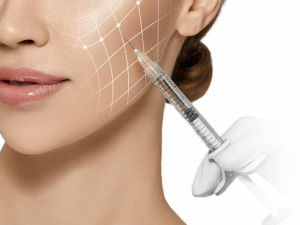
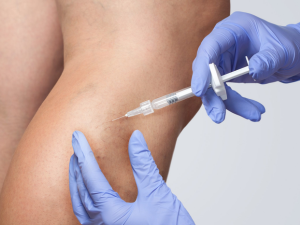
Sclerotherapy is performed using a very fine needle to carefully inject a specialist sclerosing solution directly into suitable visible veins. Several injections may be required depending on the number and size of veins being treated. You may experience a brief stinging or mild discomfort during treatment. Once treated, compression may be recommended to support the area while the veins begin to close and gradually fade.
Before and After Care Advice
Before your Sclerotherapy treatment, your practitioner will assess the veins and review your medical history, medications and suitability for treatment. You should disclose any previous blood clots, vascular problems or other relevant medical conditions. Following treatment, you may be advised to wear compression stockings and remain gently active. Avoid strenuous exercise, excessive heat and prolonged sun exposure according to the aftercare instructions provided by your practitioner.
How Many Treatments are Required?
The number of Sclerotherapy sessions required varies according to the number, size and location of the veins and how they respond to treatment. Some clients achieve a noticeable improvement following one session, while others require a course of treatments. Treated veins usually fade gradually rather than disappearing immediately, and your practitioner will recommend an appropriate treatment plan following assessment.
Who is a Good Candidate for Sclerotherapy?
Sclerotherapy may be suitable for adults with unwanted spider veins or small superficial leg veins who would like to reduce their visible appearance. Suitability depends on the type of vein, its size and location, your medical history and whether there are symptoms that require further medical investigation.
Who is Not a Good Candidate?
Sclerotherapy is not suitable for everyone. Treatment is generally unsuitable during pregnancy and may not be appropriate for people with certain vascular conditions, a history or current risk of blood clots, active infection or other relevant medical conditions. Unexplained swelling, pain or significant varicose veins should be appropriately medically assessed before cosmetic treatment.
Possible Side Effects
Temporary side effects can include redness, itching, tenderness, bruising or swelling around the injection sites. Treated veins can initially appear darker before gradually fading, and temporary pigmentation may occur. Less common complications can also occur, which is why an appropriate consultation, medical history and assessment are important before treatment.
Pros and Cons of Sclerotherapy Vein Treatment
Pros:
- Targets suitable spider and small superficial veins
- Non-surgical injectable treatment
- Multiple small veins may be treated during a session
- Treated veins can gradually become less visible
Cons:
- More than one treatment may be required
- Temporary bruising, pigmentation or tenderness can occur
Sclerotherapy provides a targeted, non-surgical option for suitable clients concerned about visible spider and small leg veins. To learn more about Sclerotherapy Vein Treatment and determine whether your veins are suitable for treatment, book a consultation with London Body Clinic.
Frequently Asked Questions
What is Sclerotherapy?
Sclerotherapy is an injectable vein treatment used to reduce the appearance of suitable spider veins and small superficial veins, most commonly on the legs.
How does Sclerotherapy work?
A specialist sclerosing solution is injected directly into the targeted vein. This causes the vein walls to close together, after which the treated vessel is gradually processed by the body and becomes less visible.
How many treatments are required?
The number of sessions varies according to the number, size and location of the veins being treated and your individual response. Some clients may require several treatment sessions.
How long does the procedure take?
Treatment time depends on the number and extent of veins being treated. Your practitioner will advise you of the expected appointment time following assessment.
Is Sclerotherapy painful?
A very fine needle is used and you may experience a brief stinging, burning or mild discomfort when the solution is administered.
What areas can be treated with Sclerotherapy?
Sclerotherapy is most commonly used for suitable spider veins and small superficial veins on the legs. Each vein must be assessed before treatment to determine whether sclerotherapy is appropriate.
Who is a good candidate for Sclerotherapy?
It may be suitable for adults who are concerned about visible spider veins or small superficial leg veins and are medically suitable for treatment.
Who is not a good candidate for Sclerotherapy?
Treatment may not be appropriate during pregnancy or for people with certain vascular conditions, blood-clotting concerns, active infections or other relevant medical conditions. Your medical history will be assessed before treatment.
What are the possible side effects of Sclerotherapy?
Possible temporary effects include bruising, redness, tenderness, swelling, itching and changes in pigmentation. Your practitioner will discuss the risks and aftercare with you before treatment.
Is there any downtime after Sclerotherapy?
Downtime is generally limited, and walking is often encouraged following treatment. You may need to avoid strenuous exercise, excessive heat and certain activities for a period following your appointment.
How quickly will I see results?
Sclerotherapy results are gradual. Smaller treated veins may begin fading over several weeks, while some veins can take longer to become less visible.
Are the results permanent?
Successfully treated veins can remain closed, but sclerotherapy cannot prevent new spider or superficial veins from developing elsewhere in the future.
Will I need to wear compression stockings?
Compression stockings may be recommended following sclerotherapy depending on the veins treated and your individual treatment plan. Your practitioner will provide specific aftercare instructions.
Can all varicose veins be treated with Sclerotherapy?
No. Not every visible or varicose vein is suitable for cosmetic sclerotherapy. Larger, painful or symptomatic veins may require assessment by an appropriate medical or vascular specialist.
How do I schedule a consultation for Sclerotherapy?
Contact London Body Clinic to arrange a Sclerotherapy consultation. Your veins, medical history and treatment goals can be assessed to determine whether sclerotherapy is an appropriate treatment for you.