Microneedling


Microneedling London – Collagen Induction Therapy at London Body Clinic
Smoother, Firmer, Healthier-Looking Skin with Professional Microneedling
Have you noticed your skin isn’t quite as smooth, firm or radiant as it used to be?
Perhaps you’re beginning to see fine lines around your eyes and mouth, your pores appear more noticeable, or old acne scars are affecting your confidence.
As we age, our skin naturally changes. Collagen production gradually declines, skin elasticity reduces and the effects of previous breakouts, sun exposure and environmental damage can become more visible.
At London Body Clinic, we understand that not everyone wants to change the shape of their face or add volume.
Sometimes, you simply want your skin to look healthier, smoother and more refreshed.
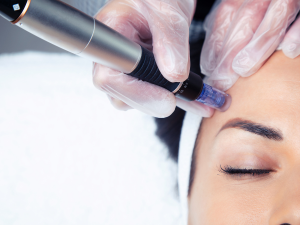
Microneedling, also known as collagen induction therapy, is a minimally invasive skin rejuvenation treatment that uses fine, sterile needles to create controlled micro-injuries in the skin.
These tiny injuries stimulate the skin’s natural healing response, encouraging processes associated with collagen and elastin production.
Over time, microneedling may help improve the appearance of:
Fine lines and superficial wrinkles.
Acne scars.
Uneven skin texture.
Enlarged-looking pores.
Mild skin laxity.
Dull or tired-looking skin.
Certain types of superficial scarring.
At London Body Clinic, our microneedling treatments are tailored to your individual skin concerns, skin type and treatment goals.
Book a consultation to discover whether professional microneedling is suitable for your skin.
What Is Microneedling?
Microneedling is a professional skin treatment that uses a device containing multiple fine needles to create controlled punctures in the skin.
These micro-injuries trigger the body’s natural wound-healing response.
As the skin repairs itself, processes involved in collagen formation and tissue remodelling may help improve skin texture and the appearance of certain scars and fine lines.
Microneedling is often referred to as collagen induction therapy because of its ability to stimulate biological processes associated with collagen production.
Unlike treatments designed to add volume, microneedling focuses on improving the skin’s own structure and appearance.
What Is Collagen and Why Does It Matter?
Collagen is a structural protein that helps give the skin strength and support.
Elastin contributes to the skin’s ability to stretch and return to its original shape.
As we age, changes in collagen and elastin can contribute to:
Fine lines.
Wrinkles.
Reduced firmness.
Uneven texture.
Increased skin fragility.
Changes in skin elasticity.
Microneedling aims to encourage controlled skin remodelling.
However, it cannot completely reverse ageing or produce the same results as procedures designed to correct significant skin laxity.
What We Offer at London Body Clinic
Personalised Microneedling Skin Rejuvenation
At London Body Clinic, we believe that skin rejuvenation should be tailored to the individual.
Your skin type, concerns, medical history and previous treatments all influence which approach may be suitable.
Our microneedling treatments may be considered for several common skin concerns.
Microneedling for Fine Lines and Wrinkles
Fine lines often become more noticeable as collagen, elasticity and hydration change with age.
Microneedling may help improve the appearance of some superficial lines through gradual skin remodelling.
However, deeper wrinkles and expression lines may require a different approach.
Microneedling for Acne Scars
Certain types of acne scars develop when inflammation damages the skin’s underlying support structure.
Microneedling may improve the appearance of some depressed acne scars by stimulating remodelling within the treated tissue.
It is particularly considered for selected atrophic scars.
However, different acne scars respond differently.
Deep ice-pick scars and significantly tethered scars may require other treatments.
Microneedling for Enlarged Pores
Pores are a normal part of the skin.
Their appearance can be influenced by genetics, sebum production, skin elasticity and congestion.
Microneedling may improve the appearance of enlarged pores by helping to smooth surrounding skin texture.
However, it cannot permanently close or eliminate pores.
Microneedling for Uneven Skin Texture
Rough or uneven skin can develop due to ageing, previous acne, environmental exposure and other factors.
Microneedling may help improve the appearance of certain textural irregularities.
Microneedling for Dull Skin
Changes in skin texture and hydration can make the complexion appear less radiant.
Some clients notice a smoother and fresher-looking complexion following recovery.
Results vary, and a single treatment may not produce a significant change.
Microneedling for Mild Skin Laxity
Microneedling may produce modest improvements in skin firmness in selected patients.
However, it is not a substitute for procedures intended to address significant loose skin.
How Does Microneedling Work?
The Science Behind Collagen Induction Therapy
Microneedling works by creating controlled micro-injuries in the skin.
These injuries activate the body’s natural repair processes.
Stage 1: Controlled Micro-Injuries
A professional microneedling device creates tiny punctures in the treatment area.
The needle depth and technique are selected according to the treatment area, skin characteristics and intended outcome.
Stage 2: The Healing Response
The body responds to these micro-injuries by activating processes involved in tissue repair.
These include inflammatory signalling and cellular activity associated with wound healing.
Stage 3: Collagen Remodelling
Over the following weeks and months, collagen-related remodelling may contribute to improvements in skin texture and the appearance of certain scars or fine lines.
The extent of improvement varies between individuals.
Microneedling is a gradual treatment. Significant skin changes should not be expected immediately after one appointment.
What Areas Can Be Treated with Microneedling?
Microneedling for the Face
Facial microneedling may be considered for:
Fine lines.
Uneven skin texture.
Acne scarring.
Enlarged-looking pores.
Dullness.
Early signs of skin ageing.
Microneedling for the Neck
The neck can develop fine lines and changes in skin texture as we age.
Microneedling may be considered for selected concerns, although treatment depth and suitability require careful assessment.
Microneedling for the Décolletage
The chest area may develop fine lines and uneven texture associated with ageing and sun exposure.
Selected clients may be suitable for microneedling in this area.
Microneedling for Scars
Microneedling may improve the appearance of some established scars.
However, scar type, age, depth and location influence suitability.
Not all scars should be treated with microneedling.
Microneedling for Stretch Marks
Microneedling is sometimes used for selected stretch marks.
Some studies suggest possible improvements in appearance, but evidence varies and complete removal cannot be guaranteed.
What to Expect During Your Microneedling Treatment
Before Your Microneedling Appointment
At London Body Clinic, your treatment begins with a consultation and skin assessment.
We’ll discuss:
Your skin concerns.
Your treatment goals.
Previous aesthetic procedures.
Current skincare products.
Relevant medical conditions.
Medication.
Allergies.
History of cold sores.
Skin sensitivity.
Previous scarring.
Your Fitzpatrick skin type.
You may be advised to temporarily avoid certain exfoliating products or irritating skincare ingredients before treatment.
Avoid tanning and unnecessary sun exposure.
Do not stop prescribed retinoids, aspirin, anticoagulants or other medication without advice from your prescribing clinician.
Your practitioner will provide preparation instructions appropriate to your skin and treatment plan.
During Your Microneedling Treatment
Your skin will be cleansed and prepared.
Where appropriate, a topical anaesthetic may be applied to reduce discomfort.
A sterile microneedling device is then used over the selected treatment area.
The needle depth and technique are adjusted according to the treatment goals and skin characteristics.
You may experience:
A scratching sensation.
Mild pressure.
Vibration.
Warmth.
Temporary discomfort.
Some redness and pinpoint bleeding may occur depending on treatment depth.
Only products appropriate for use with the procedure should be applied to the treated skin.
The appointment typically takes approximately 45–60 minutes, including preparation and any numbing time.
After Your Microneedling Treatment
Immediately after treatment, your skin may appear red or feel warm and tight.
This can resemble mild sunburn.
Common temporary effects include:
Redness.
Swelling.
Tenderness.
Dryness.
Tightness.
Mild flaking.
Temporary sensitivity.
Some people also experience small areas of bruising or pinpoint bleeding.
The recovery period varies depending on treatment depth and individual skin response.
Your practitioner will provide aftercare instructions.
How Many Microneedling Sessions Will I Need?
The number of treatments depends on your skin concerns and the results you hope to achieve.
For general skin texture and superficial fine lines, some clients may notice improvements following a small number of treatments.
More established acne scarring may require a course.
A typical treatment plan may involve approximately three to six sessions, often spaced four to six weeks apart.
However, the appropriate number and interval depend on the procedure and individual response.
At London Body Clinic, we’ll recommend a personalised plan rather than automatically suggesting the same course for everyone.
When Will I See Microneedling Results?
Microneedling results develop gradually.
Immediately After Treatment
Your skin may look red, swollen or temporarily flushed.
This is part of the initial treatment response and should not be confused with a final cosmetic result.
After One to Two Weeks
Once the skin has recovered, some clients notice improvements in surface smoothness or radiance.
After Four to Six Weeks
Changes in skin texture may become more noticeable as the skin continues to remodel.
Following a Treatment Course
Further improvements may develop over several months.
The degree of change depends on factors such as skin condition, scar type, treatment protocol and individual healing.
How Long Do Microneedling Results Last?
Microneedling can produce improvements in skin texture and the appearance of certain scars.
However, results are not guaranteed to be permanent.
Natural ageing, sun exposure, new acne and other factors can continue to affect the skin.
Some clients choose maintenance treatments, but there is no universal maintenance schedule.
Your practitioner can advise based on your skin condition and response.
Microneedling for Acne Scars
Can Microneedling Really Improve Acne Scarring?
Microneedling has been studied for the treatment of atrophic acne scars.
These are depressed scars that develop when tissue is lost during the healing process.
Common types include:
Rolling Scars
These create broad, shallow depressions and an uneven skin